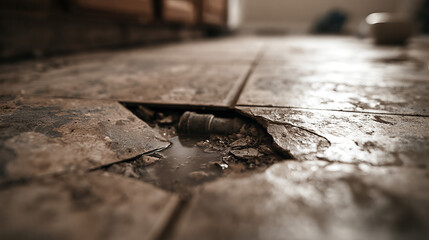
A home is built to withstand everyday wear and changing weather, but one of its greatest threats often arrives quietly. Water has a way of finding even the smallest opening, slowly making its way behind walls, beneath floors, and into structural materials before anyone realizes there is a problem. What begins as a slow drip under a sink or a tiny crack in a roof can eventually lead to stained ceilings, warped flooring, damaged insulation, and expensive repairs. Because water damage often develops gradually, homeowners may not notice the warning signs until the problem has become much more serious.
Understanding the most common causes of residential water damage is one of the best ways to protect your home, reduce repair costs, and maintain your property’s long-term condition. Get more information from All Pro Water Damage experts.
How Do Plumbing Leaks Cause Water Damage?
Plumbing leaks are among the leading causes of residential water damage because they can occur almost anywhere inside a home. Pipes run behind walls, beneath floors, above ceilings, and through crawl spaces, making it possible for leaks to remain hidden for long periods. A small crack in a pipe or a loose fitting may release only a few drops of water at a time, but over weeks or months, that moisture can saturate drywall, insulation, wood framing, and flooring materials. Since these areas are often concealed from view, homeowners may not notice the problem until stains, odors, or structural damage begin to appear. By that point, repairs can become much more extensive than the original plumbing issue.
Leaks can also develop around plumbing fixtures and household appliances that use water every day. Faucets, toilets, water heaters, washing machines, refrigerators, and dishwashers all rely on supply lines and drainage connections that may wear out over time. Rubber hoses can crack, metal fittings may corrode, and seals eventually lose their effectiveness after years of use. Even a slow leak beneath a sink cabinet can gradually damage surrounding wood without drawing immediate attention. Performing regular inspections of plumbing systems and replacing aging components before they fail can significantly reduce the risk of costly water damage.
Can Roof Problems Lead to Hidden Water Damage?
The roof serves as the home’s primary barrier against rain, snow, and other forms of precipitation, making its condition essential for preventing water intrusion. Over time, roofing materials naturally age and become more vulnerable to damage caused by weather, temperature changes, and normal wear. Missing shingles, cracked flashing, deteriorated sealants, and damaged roof vents can all allow water to enter the attic during heavy rainfall. Because attic spaces are not inspected frequently, moisture may spread unnoticed before eventually reaching ceilings and interior walls. What begins as a small roof defect can quickly develop into widespread structural damage if repairs are delayed.
Water entering through the roof rarely stays in one location. It often travels along rafters, insulation, or framing before appearing far from the original entry point. This movement can make identifying the true source of the leak challenging without careful inspection. Moisture trapped inside attic insulation also reduces its effectiveness while encouraging further deterioration of nearby building materials. Regular roof inspections, especially after severe weather, allow homeowners to identify minor issues before they become major leaks. Keeping roofing materials in good condition remains one of the most effective ways to prevent residential water damage.
Why Are Poor Drainage and Foundation Issues a Concern?
Water does not always enter a home from above. In many cases, it begins accumulating around the foundation due to poor drainage or improper grading. When rainwater cannot flow away from the structure efficiently, it may collect near foundation walls and gradually seep through small cracks or porous building materials. Over time, repeated exposure to moisture increases the likelihood of basement dampness, crawl space moisture, and foundation-related water intrusion. These problems often develop slowly, making them easy to overlook until visible damage appears indoors. Proper drainage around the home is therefore just as important as maintaining the roof.
Foundation issues become even more concerning when standing water remains near the structure after heavy rainfall. Saturated soil places additional pressure on foundation walls while increasing opportunities for moisture to enter the home. Clogged gutters, poorly positioned downspouts, and landscape grading that slopes toward the house can all contribute to these conditions. Homeowners should regularly inspect outdoor drainage systems to ensure water flows away from the property rather than collecting around the base of the structure. Preventing water accumulation outside is often the first step in preventing moisture problems inside.
How Do Household Appliances Contribute to Water Damage?
Modern homes depend on numerous appliances that use water every day, and while these appliances provide convenience, they also introduce additional opportunities for leaks. Washing machines, dishwashers, refrigerators with ice makers, water heaters, and water filtration systems all contain hoses, valves, and fittings that gradually wear out through regular use. A small crack in a washing machine hose or a loose refrigerator connection may release water slowly for weeks before becoming noticeable. Because many appliances are installed against walls or inside cabinets, leaks often remain hidden until significant damage has already occurred. Routine inspection of these connections is an important part of home maintenance.
Water heaters deserve particular attention because they store large volumes of water under pressure. As water heaters age, corrosion can weaken the tank or surrounding fittings, increasing the likelihood of leaks. Sediment buildup inside the tank may also reduce efficiency while placing additional strain on internal components. Likewise, dishwasher seals and refrigerator supply lines should be examined periodically for signs of wear or moisture. Replacing aging hoses and fittings before they fail is a relatively inexpensive preventive measure compared to repairing extensive water damage after an appliance leak.
Can Weather and Natural Conditions Cause Residential Water Damage?
Weather is another significant contributor to residential water damage because homes are constantly exposed to changing environmental conditions. Heavy rainfall, strong winds, snow accumulation, and rapid snowmelt all increase the amount of moisture surrounding a property. During severe storms, wind-driven rain may penetrate small gaps around windows, doors, rooflines, or exterior siding that would otherwise remain watertight. Once moisture enters the building envelope, it can spread into walls, ceilings, and flooring before becoming visible. Even well-maintained homes can experience weather-related water intrusion under certain conditions.
Seasonal temperature changes also contribute to water damage in less obvious ways. During colder months, freezing temperatures may cause water inside exposed pipes to expand, increasing the risk of burst pipes when the ice thaws. In warmer seasons, high humidity can create condensation around plumbing lines, cooling equipment, and poorly ventilated spaces. Condensation may appear harmless at first, but persistent moisture gradually damages nearby materials if left unresolved. Preparing the home for seasonal weather changes helps reduce many of these risks while improving overall resilience against water intrusion.
How Can Homeowners Reduce the Risk of Water Damage?
Preventing residential water damage begins with establishing a consistent home maintenance routine. Regular inspections of plumbing fixtures, roofing materials, gutters, appliance connections, and drainage systems help identify developing problems before they become expensive repairs. Homeowners should pay attention to warning signs such as water stains, peeling paint, soft drywall, warped flooring, and musty odors because these often indicate hidden moisture. Addressing small concerns promptly usually prevents them from spreading into larger structural issues. A proactive approach saves both time and money over the long term.
Maintaining proper ventilation also plays an important role in moisture control throughout the home. Bathrooms, kitchens, and laundry rooms generate significant humidity during everyday activities, making exhaust fans essential for reducing condensation. Gutters should remain free of debris so rainwater flows efficiently through downspouts and away from the foundation. Landscaping should encourage positive drainage by directing water away from the home’s exterior walls. Combining routine inspections with preventive maintenance creates a comprehensive strategy that significantly lowers the risk of residential water damage.
When Should You Seek Professional Assistance?
While many preventive maintenance tasks can be handled by homeowners, certain situations require professional evaluation. Persistent leaks, recurring stains, unexplained moisture, or signs of structural deterioration should not be ignored. Water often travels behind walls or beneath flooring, making the visible damage only a small part of the overall problem. Professionals have specialized moisture detection equipment that allows them to locate hidden water without unnecessary demolition. Early evaluation provides a clearer understanding of the affected areas and helps determine the most appropriate course of action.
Professional assistance is particularly valuable after plumbing failures, severe storms, appliance leaks, or flooding events. Even if surfaces appear dry, moisture may remain trapped inside building materials where it continues causing damage over time. Prompt inspection helps prevent long-term deterioration while reducing the likelihood of more extensive repairs later. Working with qualified professionals also provides homeowners with confidence that the source of the water has been identified and properly addressed. Combining homeowner vigilance with professional expertise offers the best protection against long-term water damage.
Final Thoughts
Residential water damage can result from a wide variety of sources, including plumbing leaks, roof problems, poor drainage, appliance failures, severe weather, and hidden moisture that develops over time. While these problems often begin as small maintenance issues, they can quickly grow into expensive repairs if left unresolved. Regular inspections, timely maintenance, proper drainage, and attention to early warning signs all play essential roles in preventing water intrusion and protecting the home’s structural integrity. By understanding the most common causes of residential water damage and responding quickly when concerns arise, homeowners can preserve their property’s condition, reduce repair costs, and enjoy greater peace of mind for years to come.