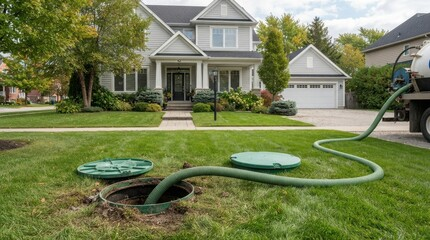
A septic tank works continuously to collect and separate household wastewater, but the solid material inside the tank does not disappear completely. Over time, sludge settles at the bottom while grease and other floating materials form a scum layer near the top. When these materials accumulate excessively, the tank has less usable capacity and solids may begin moving toward other parts of the septic system. Recognizing the signs your septic tank needs pumping can help you schedule service before you experience sewage backups, unpleasant odors, or more serious system problems. While some warning signs can indicate a full tank, they can also be caused by clogged pipes or drain field issues, making professional evaluation important.
Why Does a Septic Tank Need Pumping?
A septic tank separates wastewater into different layers. Heavier solids settle to the bottom as sludge, lighter materials float to the surface as scum, and the liquid portion flows out toward the drain field. Naturally occurring bacteria break down some organic waste, but they cannot eliminate all of the solid material entering the tank. As sludge and scum accumulate, they gradually reduce the available space inside the tank. Pumping removes these materials before they interfere with normal operation. Regular Septic Tank Pumping Madera is therefore an important part of preventive septic system maintenance rather than something homeowners should consider only after a problem develops.
Are Slow Drains a Sign Your Septic Tank Is Full?
Slow drains can be an early indication that the septic system needs attention, particularly when several fixtures throughout the home are draining slowly at the same time. You might notice sinks taking longer to empty, showers holding water, or toilets flushing more slowly than usual. However, one slow sink or shower may simply have a localized plumbing clog. When multiple drains begin experiencing problems simultaneously, a septic or main drainage issue becomes more likely. A professional can determine whether the tank needs pumping or another part of the plumbing system is responsible.
Can Gurgling Toilets Indicate a Septic Problem?
Unusual gurgling sounds from toilets or drains can occur when wastewater or air is not moving normally through the plumbing system. If the noises affect several fixtures and occur alongside slow drainage, they may indicate a problem somewhere in the septic or wastewater system. Gurgling alone does not prove that the tank is full. Plumbing vent problems and pipe blockages can produce similar symptoms. When the sound becomes persistent or is accompanied by other septic warning signs, scheduling an inspection can help identify the cause.
Are Sewage Odors a Sign the Septic Tank Needs Pumping?
Persistent sewage odors around drains, the septic tank, or the yard should not be ignored. A properly functioning septic system is designed to contain and manage wastewater without creating strong sewage smells around normal living areas. Odors can have several possible causes, including plumbing problems, damaged components, or issues with the septic system. If the tank is overdue for service and odors appear alongside slow drains or other warning signs, pumping may be necessary. A septic professional can determine whether accumulated waste or another system problem is responsible.
What Does Sewage Backing Up Into the Home Mean?
Wastewater backing up through toilets, tubs, showers, or floor drains is one of the most serious warning signs of a septic or sewer problem. A severely full tank may contribute to a backup, but clogged wastewater lines or a failing drain field can cause similar symptoms. Avoid using unnecessary water when a sewage backup occurs because additional wastewater can make the situation worse. Sewage can also create contamination and property-damage concerns, so prompt professional service is important. Waiting for the problem to resolve on its own can allow additional wastewater to enter affected areas.
Can Standing Water Near the Septic Tank Be a Warning Sign?
Standing water or unusually soggy soil around septic components can indicate that wastewater is not being handled normally. This is particularly concerning when the weather has been relatively dry and there is no obvious source of surface water. Wet conditions near the drain field may indicate a problem beyond a tank that simply needs pumping. If the soil cannot properly accept wastewater, emptying the tank may provide only temporary relief. A professional septic inspection can help determine whether routine pumping or additional system evaluation is required.
Why Is the Grass Over My Septic System Extra Green?
An unusually green or rapidly growing patch of vegetation around the septic or drain field area can sometimes indicate additional moisture or nutrients in the soil. The difference may be especially noticeable when surrounding grass is considerably drier. Vegetation alone is not enough to diagnose a septic problem. Differences in shade, irrigation, soil, or landscaping can also affect plant growth. However, unusually lush grass combined with odors, wet soil, or drainage problems deserves further investigation.
Does Frequent Plumbing Trouble Mean the Tank Needs Pumping?
Recurring drainage problems can indicate that something is interfering with the normal movement of household wastewater. If clogs repeatedly return after ordinary plumbing maintenance, the problem may be farther downstream than an individual fixture. Checking septic maintenance records can provide useful context. If the tank has not been pumped for many years or you do not know when it was last serviced, an inspection is a sensible next step. The technician can assess tank conditions rather than assuming pumping will solve every plumbing problem.
How Often Should a Septic Tank Be Pumped?
There is no universal pumping schedule for every septic tank. The appropriate interval depends on tank capacity, household size, wastewater use, garbage disposal use, and the amount of solids entering the system. A larger household may fill the tank with solids more quickly than a smaller household using a similarly sized system.
Many residential septic tanks are pumped every few years, but the correct schedule should be based on the individual system. Keeping records from previous service visits can help establish how quickly sludge and scum accumulate. A septic professional can use these observations to recommend a more appropriate maintenance interval.
Should You Wait for Warning Signs Before Pumping?
Ideally, no. Warning signs such as sewage backups and wastewater surfacing outdoors can indicate that the system is already experiencing significant stress. Preventive pumping is intended to remove accumulated solids before these problems develop.
Keeping track of previous pumping dates is one of the easiest ways to avoid relying on symptoms. If you recently purchased a home with a septic system and do not have reliable maintenance records, consider having the system evaluated. Knowing its condition can help you establish a future maintenance schedule.
What Happens During Septic Tank Pumping?
During a typical pumping service, the technician locates and accesses the septic tank. Specialized vacuum equipment is then used to remove liquid wastewater, sludge, and floating scum. Removing accumulated solids restores the tank’s working capacity and reduces the risk of excessive material moving downstream. The service visit can also provide an opportunity to examine accessible components. Depending on the system and service provided, technicians may check baffles, filters, lids, wastewater levels, or other visible components for signs of damage. Problems discovered during pumping may require additional inspection or repair.
What Happens If You Don’t Pump Your Septic Tank?
Allowing solids to accumulate excessively can interfere with normal septic operation. As the sludge and scum layers become larger, the tank has less room to separate wastewater effectively. Solid material may eventually move toward the outlet and potentially affect downstream components. Problems involving the drain field can be significantly more complicated than routine tank maintenance. Homeowners may experience backups, odors, poor drainage, or wastewater surfacing outdoors. Regular pumping does not prevent every possible septic failure, but it helps manage one of the major maintenance factors homeowners can control.
How Can You Reduce Septic Tank Buildup?
Good household habits can help prevent unnecessary solids from entering the septic tank. Avoid flushing wipes, paper towels, diapers, hygiene products, and other materials that are not intended for the septic system. Cooking grease and oils should also be kept out of drains. Responsible water use helps protect the overall system as well. Repair leaking toilets and faucets, and avoid sending unnecessarily large amounts of water into the system within a short period. Homeowners should also protect the drain field from vehicles, heavy equipment, and inappropriate construction.
When Should You Call a Septic Professional?
Contact a septic professional when you notice multiple slow drains, persistent sewage odors, recurring gurgling, wastewater backups, or unusual wet areas around septic components. These symptoms require diagnosis because pumping is not necessarily the solution to every septic problem. Professional service is also appropriate when the tank is due for routine maintenance even if there are no warning signs. Preventive pumping can help homeowners avoid waiting until the system develops an emergency. Maintaining service records also makes it easier to plan future appointments.
Final Thoughts
The most common signs your septic tank may need pumping include multiple slow drains, gurgling plumbing, persistent sewage odors, wastewater backups, and unusual conditions around the septic or drain field area. However, these symptoms can also indicate clogged pipes, damaged components, or drain field problems, so pumping should not automatically be assumed to be the only solution. Routine maintenance is the better strategy because it allows accumulated sludge and scum to be removed before they create serious problems. Homeowners should keep track of previous pumping dates, use water responsibly, and avoid flushing inappropriate materials into the system. By recognizing septic warning signs early and maintaining an appropriate pumping schedule, you can help protect the system and reduce the risk of costly wastewater emergencies.