A kitchen can look completely different without tearing everything out and starting from scratch. When the cabinet layout is still functional but the appearance feels outdated, cabinet refacing can provide an effective way to create a fresh new look. Instead of replacing the entire cabinet structure, refacing updates visible surfaces while keeping much of the existing framework. This approach gives homeowners plenty of creative possibilities, from changing door styles and colors to upgrading hardware and adding decorative details. With the right Cabinet Refacing Sacramento ideas, an ordinary kitchen can look refreshed while maintaining a familiar, practical layout.
What Is Cabinet Refacing?
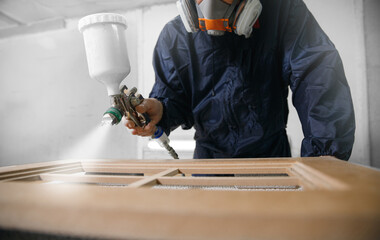
Cabinet refacing is a process that updates the visible parts of existing cabinets while keeping the main cabinet boxes in place. Depending on the project, this may involve installing new doors and drawer fronts, applying a new exterior surface to cabinet boxes, and updating hardware. The goal is to make the cabinetry look new without completely removing and replacing the existing framework. Refacing can be an attractive option when the cabinet boxes are still structurally sound and the current layout works well.
One of the main advantages of refacing is the ability to achieve a significant visual change without making major structural modifications. Homeowners can change colors, materials, door styles, and hardware to create an entirely different appearance. The process can also reduce the amount of demolition associated with a full cabinet replacement. Because the existing layout can remain largely unchanged, homeowners can focus on improving style and functionality through targeted updates.
Refresh Cabinets With a New Color
Changing the cabinet color is one of the simplest ways to create a noticeable transformation. Light colors can make a room feel brighter and more open, while darker shades can create a dramatic and sophisticated appearance. Neutral colors such as white, cream, beige, and gray can provide flexibility because they coordinate well with many countertop and flooring styles. Homeowners who want more personality can consider deeper shades or muted colors that complement the rest of the kitchen.
Color combinations can also be used to create visual interest. Instead of using the same finish throughout the entire kitchen, homeowners can select different colors for upper and lower cabinets or create a contrasting focal point. An island can also receive a different finish to make it stand out from the surrounding cabinetry. When choosing colors, it is helpful to consider natural light, existing surfaces, and the overall atmosphere the homeowner wants to create.
Update the Cabinet Door Style
Changing cabinet doors and drawer fronts can dramatically alter the character of a kitchen. Flat-panel doors can create a clean and modern appearance, while raised-panel styles can provide a more traditional feel. Shaker-style doors offer another versatile option because their simple lines can work with a variety of interior designs. Replacing outdated door styles can make existing cabinet boxes look significantly newer.
The design of the door should complement the overall room rather than competing with other features. Simple doors may work well in spaces where the goal is a clean and uncluttered appearance. More detailed designs can add visual character to rooms that need additional decorative interest. Homeowners should also consider how the door style will look alongside countertops, backsplashes, flooring, and appliances. A coordinated approach can make the entire room feel more intentional.
Add New Cabinet Hardware
Hardware is a small detail that can have a surprisingly large impact on the appearance of refaced cabinets. Replacing old knobs, pulls, and handles can make cabinetry feel more current without changing the cabinet structure. Hardware is available in many shapes, sizes, materials, and finishes, making it easy to create different visual effects. Simple hardware can support a minimalist style, while more decorative pieces can add character.
The placement and size of the hardware should also be considered carefully. Larger drawers may benefit from longer pulls, while smaller doors may look better with smaller knobs or handles. Consistency is important because mismatched hardware can make the cabinetry appear less cohesive. Choosing hardware that complements other finishes in the room can help tie the design together. Even a modest hardware upgrade can make refaced cabinets feel more complete.
Consider Wood Grain and Natural Finishes
Homeowners who appreciate the warmth of natural materials may want to incorporate wood finishes into their cabinet refacing plans. Natural wood tones can create a welcoming appearance and add texture to the room. Different wood grains and stains can produce very different visual effects, ranging from light and subtle to deep and dramatic. This approach can be especially appealing when the goal is to preserve some of the natural character of the cabinetry.
Wood-look materials can also provide a practical alternative when homeowners want the appearance of wood with different maintenance characteristics. The choice should depend on the desired appearance, durability requirements, and surrounding design. A natural finish can be paired with neutral walls and countertops to create a balanced space. Careful coordination can prevent the room from feeling visually crowded when several wood elements are present.
Create a Two-Tone Cabinet Design
Two-tone cabinetry is another creative refacing idea that can give a kitchen more depth. This approach uses two complementary colors or finishes rather than treating every cabinet surface the same way. One popular approach is to use a lighter color on upper cabinets and a darker color on lower cabinets. Another option is to give an island a contrasting finish while keeping the main cabinetry consistent.
The key to a successful two-tone design is selecting colors that work well together. Strong contrast can create a bold contemporary appearance, while closely related shades can produce a softer transition. The colors should also coordinate with countertops, walls, flooring, and other major features. Testing samples under different lighting conditions can help homeowners determine whether the combination will look appealing throughout the day.
Add Glass Cabinet Doors
Glass doors can introduce a lighter and more open appearance to selected cabinet sections. Instead of replacing every cabinet door, homeowners can choose a few upper doors to receive glass inserts. This creates an opportunity to display attractive dishes, glassware, or decorative items while breaking up large areas of solid cabinetry. Different types of glass can produce different levels of transparency and visual texture.
Glass-front cabinets should be used thoughtfully because the contents become part of the room’s overall appearance. Keeping displayed items organized can help maintain a clean look. Textured or frosted glass can provide visual interest while partially concealing cabinet contents. This option can be particularly useful for homeowners who want to add a decorative element without completely changing the cabinet layout.
Improve Storage With Interior Updates
Cabinet refacing does not have to focus entirely on exterior appearance. While the cabinet boxes remain in place, homeowners can also consider interior improvements that make storage more convenient. Adjustable shelving, pull-out storage, organizers, and improved drawer configurations can help make existing cabinets more functional. These updates can be particularly valuable when the current storage arrangement is difficult to use.
Improving the inside of the cabinets can also make the refacing project feel more complete. A visually attractive cabinet is more useful when its storage space is organized and accessible. Homeowners can evaluate which areas are difficult to reach or frequently become cluttered. Making targeted interior changes can improve daily convenience without requiring a complete kitchen redesign.
Add Decorative Cabinet Details
Decorative details can provide another way to personalize refaced cabinets. Crown molding, trim, decorative panels, and other architectural elements can give cabinetry a more finished appearance. These details can be used to emphasize certain cabinet sections or create a stronger connection between the cabinets and the surrounding room. Even small additions can make a noticeable difference when carefully coordinated with the existing design.
The amount of decorative detail should match the desired style. A simple kitchen may benefit from minimal trim and clean lines, while a more traditional space may support additional molding and decorative features. Too many details can make the cabinetry appear visually busy, so balance is important. Thoughtful additions can help create a polished appearance without overwhelming the room.
Choose a Refacing Style That Fits Your Home
The best cabinet refacing ideas are those that combine appearance, functionality, and long-term practicality. Homeowners should consider how the cabinets will work with the rest of the room and how the selected materials will hold up to daily use. A beautiful finish is valuable, but durability and maintenance should also influence the decision. Choosing a style that can remain appealing for years may provide greater satisfaction than following a short-lived trend.
Budget should also be considered when planning a refacing project. Some changes, such as replacing hardware, can be relatively simple, while new doors, specialty finishes, glass inserts, and interior storage upgrades can require greater investment. Prioritizing the updates that will have the biggest impact can help homeowners make better use of their available budget. A thoughtful combination of practical and decorative improvements can produce an impressive transformation without requiring a complete cabinet replacement.
Final Thoughts
Cabinet refacing provides homeowners with many opportunities to refresh a kitchen while preserving an existing cabinet layout. New colors, updated doors, modern hardware, natural finishes, glass inserts, two-tone designs, storage improvements, and decorative details can all contribute to a new appearance. The most successful projects begin with cabinets that are structurally sound and a clear understanding of the desired style. By combining visual improvements with practical upgrades, homeowners can create cabinetry that feels fresh, functional, and personalized. With careful planning and attention to detail, cabinet refacing can transform the character of a kitchen without the disruption of a complete cabinet replacement.