What Are the Signs Your Septic Tank Needs Pumping? A Homeowner’s Guide

Septic Tank

A septic tank works continuously to collect and separate household wastewater, but the solid material inside the tank does not disappear completely. Over time, sludge settles at the bottom while grease and other floating materials form a scum layer near the top. When these materials accumulate excessively, the tank has less usable capacity and solids may begin moving toward other parts of the septic system. Recognizing the signs your septic tank needs pumping can help you schedule service before you experience sewage backups, unpleasant odors, or more serious system problems. While some warning signs can indicate a full tank, they can also be caused by clogged pipes or drain field issues, making professional evaluation important.

Why Does a Septic Tank Need Pumping?

A septic tank separates wastewater into different layers. Heavier solids settle to the bottom as sludge, lighter materials float to the surface as scum, and the liquid portion flows out toward the drain field. Naturally occurring bacteria break down some organic waste, but they cannot eliminate all of the solid material entering the tank. As sludge and scum accumulate, they gradually reduce the available space inside the tank. Pumping removes these materials before they interfere with normal operation. Regular Septic Tank Pumping Madera is therefore an important part of preventive septic system maintenance rather than something homeowners should consider only after a problem develops.

Are Slow Drains a Sign Your Septic Tank Is Full?

Slow drains can be an early indication that the septic system needs attention, particularly when several fixtures throughout the home are draining slowly at the same time. You might notice sinks taking longer to empty, showers holding water, or toilets flushing more slowly than usual. However, one slow sink or shower may simply have a localized plumbing clog. When multiple drains begin experiencing problems simultaneously, a septic or main drainage issue becomes more likely. A professional can determine whether the tank needs pumping or another part of the plumbing system is responsible.

Can Gurgling Toilets Indicate a Septic Problem?

Unusual gurgling sounds from toilets or drains can occur when wastewater or air is not moving normally through the plumbing system. If the noises affect several fixtures and occur alongside slow drainage, they may indicate a problem somewhere in the septic or wastewater system. Gurgling alone does not prove that the tank is full. Plumbing vent problems and pipe blockages can produce similar symptoms. When the sound becomes persistent or is accompanied by other septic warning signs, scheduling an inspection can help identify the cause.

Are Sewage Odors a Sign the Septic Tank Needs Pumping?

Persistent sewage odors around drains, the septic tank, or the yard should not be ignored. A properly functioning septic system is designed to contain and manage wastewater without creating strong sewage smells around normal living areas. Odors can have several possible causes, including plumbing problems, damaged components, or issues with the septic system. If the tank is overdue for service and odors appear alongside slow drains or other warning signs, pumping may be necessary. A septic professional can determine whether accumulated waste or another system problem is responsible.

What Does Sewage Backing Up Into the Home Mean?

Wastewater backing up through toilets, tubs, showers, or floor drains is one of the most serious warning signs of a septic or sewer problem. A severely full tank may contribute to a backup, but clogged wastewater lines or a failing drain field can cause similar symptoms. Avoid using unnecessary water when a sewage backup occurs because additional wastewater can make the situation worse. Sewage can also create contamination and property-damage concerns, so prompt professional service is important. Waiting for the problem to resolve on its own can allow additional wastewater to enter affected areas.

Can Standing Water Near the Septic Tank Be a Warning Sign?

Standing water or unusually soggy soil around septic components can indicate that wastewater is not being handled normally. This is particularly concerning when the weather has been relatively dry and there is no obvious source of surface water. Wet conditions near the drain field may indicate a problem beyond a tank that simply needs pumping. If the soil cannot properly accept wastewater, emptying the tank may provide only temporary relief. A professional septic inspection can help determine whether routine pumping or additional system evaluation is required.

Why Is the Grass Over My Septic System Extra Green?

An unusually green or rapidly growing patch of vegetation around the septic or drain field area can sometimes indicate additional moisture or nutrients in the soil. The difference may be especially noticeable when surrounding grass is considerably drier. Vegetation alone is not enough to diagnose a septic problem. Differences in shade, irrigation, soil, or landscaping can also affect plant growth. However, unusually lush grass combined with odors, wet soil, or drainage problems deserves further investigation.

Does Frequent Plumbing Trouble Mean the Tank Needs Pumping?

Recurring drainage problems can indicate that something is interfering with the normal movement of household wastewater. If clogs repeatedly return after ordinary plumbing maintenance, the problem may be farther downstream than an individual fixture. Checking septic maintenance records can provide useful context. If the tank has not been pumped for many years or you do not know when it was last serviced, an inspection is a sensible next step. The technician can assess tank conditions rather than assuming pumping will solve every plumbing problem.

How Often Should a Septic Tank Be Pumped?

There is no universal pumping schedule for every septic tank. The appropriate interval depends on tank capacity, household size, wastewater use, garbage disposal use, and the amount of solids entering the system. A larger household may fill the tank with solids more quickly than a smaller household using a similarly sized system.

Many residential septic tanks are pumped every few years, but the correct schedule should be based on the individual system. Keeping records from previous service visits can help establish how quickly sludge and scum accumulate. A septic professional can use these observations to recommend a more appropriate maintenance interval.

Should You Wait for Warning Signs Before Pumping?

Ideally, no. Warning signs such as sewage backups and wastewater surfacing outdoors can indicate that the system is already experiencing significant stress. Preventive pumping is intended to remove accumulated solids before these problems develop.

Keeping track of previous pumping dates is one of the easiest ways to avoid relying on symptoms. If you recently purchased a home with a septic system and do not have reliable maintenance records, consider having the system evaluated. Knowing its condition can help you establish a future maintenance schedule.

What Happens During Septic Tank Pumping?

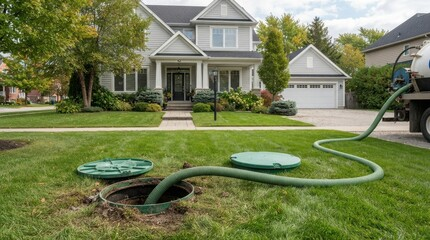
During a typical pumping service, the technician locates and accesses the septic tank. Specialized vacuum equipment is then used to remove liquid wastewater, sludge, and floating scum. Removing accumulated solids restores the tank’s working capacity and reduces the risk of excessive material moving downstream. The service visit can also provide an opportunity to examine accessible components. Depending on the system and service provided, technicians may check baffles, filters, lids, wastewater levels, or other visible components for signs of damage. Problems discovered during pumping may require additional inspection or repair.

What Happens If You Don’t Pump Your Septic Tank?

Allowing solids to accumulate excessively can interfere with normal septic operation. As the sludge and scum layers become larger, the tank has less room to separate wastewater effectively. Solid material may eventually move toward the outlet and potentially affect downstream components. Problems involving the drain field can be significantly more complicated than routine tank maintenance. Homeowners may experience backups, odors, poor drainage, or wastewater surfacing outdoors. Regular pumping does not prevent every possible septic failure, but it helps manage one of the major maintenance factors homeowners can control.

How Can You Reduce Septic Tank Buildup?

Good household habits can help prevent unnecessary solids from entering the septic tank. Avoid flushing wipes, paper towels, diapers, hygiene products, and other materials that are not intended for the septic system. Cooking grease and oils should also be kept out of drains. Responsible water use helps protect the overall system as well. Repair leaking toilets and faucets, and avoid sending unnecessarily large amounts of water into the system within a short period. Homeowners should also protect the drain field from vehicles, heavy equipment, and inappropriate construction.

When Should You Call a Septic Professional?

Contact a septic professional when you notice multiple slow drains, persistent sewage odors, recurring gurgling, wastewater backups, or unusual wet areas around septic components. These symptoms require diagnosis because pumping is not necessarily the solution to every septic problem. Professional service is also appropriate when the tank is due for routine maintenance even if there are no warning signs. Preventive pumping can help homeowners avoid waiting until the system develops an emergency. Maintaining service records also makes it easier to plan future appointments.

Final Thoughts

The most common signs your septic tank may need pumping include multiple slow drains, gurgling plumbing, persistent sewage odors, wastewater backups, and unusual conditions around the septic or drain field area. However, these symptoms can also indicate clogged pipes, damaged components, or drain field problems, so pumping should not automatically be assumed to be the only solution. Routine maintenance is the better strategy because it allows accumulated sludge and scum to be removed before they create serious problems. Homeowners should keep track of previous pumping dates, use water responsibly, and avoid flushing inappropriate materials into the system. By recognizing septic warning signs early and maintaining an appropriate pumping schedule, you can help protect the system and reduce the risk of costly wastewater emergencies.

What Are the Most Common Causes of Residential Water Damage?

Water Damage Restoration

A home is built to withstand everyday wear and changing weather, but one of its greatest threats often arrives quietly. Water has a way of finding even the smallest opening, slowly making its way behind walls, beneath floors, and into structural materials before anyone realizes there is a problem. What begins as a slow drip under a sink or a tiny crack in a roof can eventually lead to stained ceilings, warped flooring, damaged insulation, and expensive repairs. Because water damage often develops gradually, homeowners may not notice the warning signs until the problem has become much more serious.

Understanding the most common causes of residential water damage is one of the best ways to protect your home, reduce repair costs, and maintain your property’s long-term condition. Get more information from All Pro Water Damage experts.

How Do Plumbing Leaks Cause Water Damage?

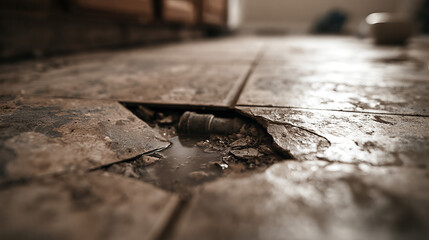
Plumbing leaks are among the leading causes of residential water damage because they can occur almost anywhere inside a home. Pipes run behind walls, beneath floors, above ceilings, and through crawl spaces, making it possible for leaks to remain hidden for long periods. A small crack in a pipe or a loose fitting may release only a few drops of water at a time, but over weeks or months, that moisture can saturate drywall, insulation, wood framing, and flooring materials. Since these areas are often concealed from view, homeowners may not notice the problem until stains, odors, or structural damage begin to appear. By that point, repairs can become much more extensive than the original plumbing issue.

Leaks can also develop around plumbing fixtures and household appliances that use water every day. Faucets, toilets, water heaters, washing machines, refrigerators, and dishwashers all rely on supply lines and drainage connections that may wear out over time. Rubber hoses can crack, metal fittings may corrode, and seals eventually lose their effectiveness after years of use. Even a slow leak beneath a sink cabinet can gradually damage surrounding wood without drawing immediate attention. Performing regular inspections of plumbing systems and replacing aging components before they fail can significantly reduce the risk of costly water damage.

Can Roof Problems Lead to Hidden Water Damage?

The roof serves as the home’s primary barrier against rain, snow, and other forms of precipitation, making its condition essential for preventing water intrusion. Over time, roofing materials naturally age and become more vulnerable to damage caused by weather, temperature changes, and normal wear. Missing shingles, cracked flashing, deteriorated sealants, and damaged roof vents can all allow water to enter the attic during heavy rainfall. Because attic spaces are not inspected frequently, moisture may spread unnoticed before eventually reaching ceilings and interior walls. What begins as a small roof defect can quickly develop into widespread structural damage if repairs are delayed.

Water entering through the roof rarely stays in one location. It often travels along rafters, insulation, or framing before appearing far from the original entry point. This movement can make identifying the true source of the leak challenging without careful inspection. Moisture trapped inside attic insulation also reduces its effectiveness while encouraging further deterioration of nearby building materials. Regular roof inspections, especially after severe weather, allow homeowners to identify minor issues before they become major leaks. Keeping roofing materials in good condition remains one of the most effective ways to prevent residential water damage.

Why Are Poor Drainage and Foundation Issues a Concern?

Water does not always enter a home from above. In many cases, it begins accumulating around the foundation due to poor drainage or improper grading. When rainwater cannot flow away from the structure efficiently, it may collect near foundation walls and gradually seep through small cracks or porous building materials. Over time, repeated exposure to moisture increases the likelihood of basement dampness, crawl space moisture, and foundation-related water intrusion. These problems often develop slowly, making them easy to overlook until visible damage appears indoors. Proper drainage around the home is therefore just as important as maintaining the roof.

Foundation issues become even more concerning when standing water remains near the structure after heavy rainfall. Saturated soil places additional pressure on foundation walls while increasing opportunities for moisture to enter the home. Clogged gutters, poorly positioned downspouts, and landscape grading that slopes toward the house can all contribute to these conditions. Homeowners should regularly inspect outdoor drainage systems to ensure water flows away from the property rather than collecting around the base of the structure. Preventing water accumulation outside is often the first step in preventing moisture problems inside.

How Do Household Appliances Contribute to Water Damage?

Modern homes depend on numerous appliances that use water every day, and while these appliances provide convenience, they also introduce additional opportunities for leaks. Washing machines, dishwashers, refrigerators with ice makers, water heaters, and water filtration systems all contain hoses, valves, and fittings that gradually wear out through regular use. A small crack in a washing machine hose or a loose refrigerator connection may release water slowly for weeks before becoming noticeable. Because many appliances are installed against walls or inside cabinets, leaks often remain hidden until significant damage has already occurred. Routine inspection of these connections is an important part of home maintenance.

Water heaters deserve particular attention because they store large volumes of water under pressure. As water heaters age, corrosion can weaken the tank or surrounding fittings, increasing the likelihood of leaks. Sediment buildup inside the tank may also reduce efficiency while placing additional strain on internal components. Likewise, dishwasher seals and refrigerator supply lines should be examined periodically for signs of wear or moisture. Replacing aging hoses and fittings before they fail is a relatively inexpensive preventive measure compared to repairing extensive water damage after an appliance leak.

Can Weather and Natural Conditions Cause Residential Water Damage?

Weather is another significant contributor to residential water damage because homes are constantly exposed to changing environmental conditions. Heavy rainfall, strong winds, snow accumulation, and rapid snowmelt all increase the amount of moisture surrounding a property. During severe storms, wind-driven rain may penetrate small gaps around windows, doors, rooflines, or exterior siding that would otherwise remain watertight. Once moisture enters the building envelope, it can spread into walls, ceilings, and flooring before becoming visible. Even well-maintained homes can experience weather-related water intrusion under certain conditions.

Seasonal temperature changes also contribute to water damage in less obvious ways. During colder months, freezing temperatures may cause water inside exposed pipes to expand, increasing the risk of burst pipes when the ice thaws. In warmer seasons, high humidity can create condensation around plumbing lines, cooling equipment, and poorly ventilated spaces. Condensation may appear harmless at first, but persistent moisture gradually damages nearby materials if left unresolved. Preparing the home for seasonal weather changes helps reduce many of these risks while improving overall resilience against water intrusion.

How Can Homeowners Reduce the Risk of Water Damage?

Preventing residential water damage begins with establishing a consistent home maintenance routine. Regular inspections of plumbing fixtures, roofing materials, gutters, appliance connections, and drainage systems help identify developing problems before they become expensive repairs. Homeowners should pay attention to warning signs such as water stains, peeling paint, soft drywall, warped flooring, and musty odors because these often indicate hidden moisture. Addressing small concerns promptly usually prevents them from spreading into larger structural issues. A proactive approach saves both time and money over the long term.

Maintaining proper ventilation also plays an important role in moisture control throughout the home. Bathrooms, kitchens, and laundry rooms generate significant humidity during everyday activities, making exhaust fans essential for reducing condensation. Gutters should remain free of debris so rainwater flows efficiently through downspouts and away from the foundation. Landscaping should encourage positive drainage by directing water away from the home’s exterior walls. Combining routine inspections with preventive maintenance creates a comprehensive strategy that significantly lowers the risk of residential water damage.

When Should You Seek Professional Assistance?

While many preventive maintenance tasks can be handled by homeowners, certain situations require professional evaluation. Persistent leaks, recurring stains, unexplained moisture, or signs of structural deterioration should not be ignored. Water often travels behind walls or beneath flooring, making the visible damage only a small part of the overall problem. Professionals have specialized moisture detection equipment that allows them to locate hidden water without unnecessary demolition. Early evaluation provides a clearer understanding of the affected areas and helps determine the most appropriate course of action.

Professional assistance is particularly valuable after plumbing failures, severe storms, appliance leaks, or flooding events. Even if surfaces appear dry, moisture may remain trapped inside building materials where it continues causing damage over time. Prompt inspection helps prevent long-term deterioration while reducing the likelihood of more extensive repairs later. Working with qualified professionals also provides homeowners with confidence that the source of the water has been identified and properly addressed. Combining homeowner vigilance with professional expertise offers the best protection against long-term water damage.

Final Thoughts

Residential water damage can result from a wide variety of sources, including plumbing leaks, roof problems, poor drainage, appliance failures, severe weather, and hidden moisture that develops over time. While these problems often begin as small maintenance issues, they can quickly grow into expensive repairs if left unresolved. Regular inspections, timely maintenance, proper drainage, and attention to early warning signs all play essential roles in preventing water intrusion and protecting the home’s structural integrity. By understanding the most common causes of residential water damage and responding quickly when concerns arise, homeowners can preserve their property’s condition, reduce repair costs, and enjoy greater peace of mind for years to come.

Custom Stairs and Railings: Design Ideas, Benefits, and Buying Guide

Custom Stairs and Railings

Custom Stairs and Railings are more than functional building features. They shape the overall character of a property while providing safe and comfortable access between different levels. A thoughtfully designed staircase can become the centerpiece of an entryway, living room, or outdoor space, adding architectural interest that standard stair systems often cannot achieve. Because every property has its own layout and design style, custom fabrication allows homeowners and business owners to create solutions tailored to their specific needs.

Understanding the benefits of custom stairs and railings helps property owners invest in features that combine beauty, durability, and long-term value.

What Are Custom Stairs and Railings?

Custom stairs and railings are individually designed and fabricated to fit the exact dimensions, architectural style, and functional requirements of a specific property. Unlike prefabricated stair systems that come in standard sizes and limited designs, custom solutions allow complete flexibility in selecting materials, finishes, layouts, and decorative details. Every component, including treads, risers, handrails, balusters, and structural supports, is carefully planned to create a cohesive appearance. This personalized approach results in stair systems that feel like an original part of the property’s design. Precision craftsmanship ensures both visual appeal and reliable performance.

These custom stair systems can be installed in residential and commercial settings, as well as indoors and outdoors. Interior staircases often become architectural focal points that enhance open-concept living spaces or elegant entryways, while exterior stairs provide safe access to decks, patios, balconies, and elevated entrances. Materials are selected based on both appearance and environmental conditions to ensure long-lasting durability. Every project reflects the unique needs of the property owner. Customized fabrication creates stair systems that are both practical and distinctive.

Why Choose Custom Stairs and Railings?

One of the greatest advantages of custom stairs and railings is the ability to achieve a design that perfectly complements the property’s architecture. Every building has different dimensions, ceiling heights, room layouts, and design themes that influence the ideal staircase configuration. Custom fabrication allows each measurement to be adjusted precisely while creating a seamless connection between the staircase and the surrounding interior or exterior space. The result is a more refined and cohesive appearance. Personalized design adds lasting character to the property.

Custom fabrication also gives property owners complete freedom when selecting materials and finishes. Steel, wrought iron, aluminum, stainless steel, wood, glass, and mixed-material combinations all offer unique visual qualities and performance characteristics. Decorative accents, modern minimalist styles, traditional craftsmanship, and industrial-inspired designs can all be incorporated into the final project. This level of flexibility allows every staircase to reflect individual preferences while maintaining structural reliability. High-quality materials contribute to years of dependable use.

What Design Options Are Available for Custom Stairs and Railings?

Custom stairs and railings offer countless design possibilities to suit different architectural styles. Straight staircases remain one of the most popular options because of their simplicity and efficient use of space, while L-shaped and U-shaped staircases create smooth transitions in larger homes or commercial buildings. Curved staircases introduce elegance and dramatic visual appeal that often becomes the defining feature of an entryway. Spiral staircases provide practical solutions where floor space is limited while adding unique architectural character. Every staircase layout offers advantages depending on the property’s design.

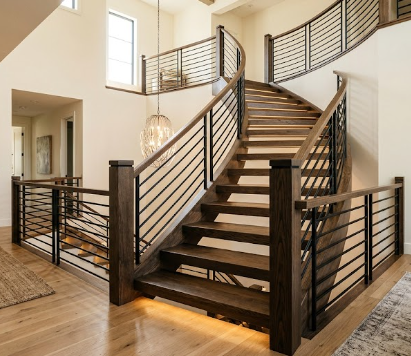
Railing styles are equally versatile and allow property owners to personalize the finished appearance. Contemporary railings often feature slim metal profiles, horizontal bars, or cable systems that create a clean, modern aesthetic. Traditional railings may include decorative scrollwork, ornamental balusters, or handcrafted metal details that add timeless sophistication. Glass panels paired with metal frames maximize natural light while preserving unobstructed views throughout the home. Combining different materials creates stair systems that are visually striking and highly functional.

How Do Custom Stairs and Railings Improve Safety?

Safety remains one of the most important reasons to invest in professionally designed custom stairs and railings. Every staircase is carefully engineered with consistent tread depth, riser height, handrail positioning, and structural support to provide comfortable and secure movement between levels. Properly designed railings offer dependable support while reducing the risk of slips and falls during everyday use. Precision fabrication helps ensure that every component performs as intended. Safe design enhances both confidence and convenience.

Custom stair systems can also accommodate changing accessibility needs within the household or workplace. Comfortable handrails, sturdy guardrails, and thoughtfully planned layouts help improve mobility for children, older adults, and individuals with limited physical ability. Exterior staircases benefit from durable materials and weather-resistant finishes that maintain reliable performance despite changing environmental conditions. Designing with long-term usability in mind allows stair systems to remain functional for many years. Safety and comfort work together to improve everyday living.

Which Materials Are Best for Custom Stairs and Railings?

Choosing the right material is an important part of designing custom stairs and railings because each option offers different advantages. Steel is valued for its exceptional strength and clean modern appearance, making it ideal for contemporary homes and commercial buildings. Wrought iron is often selected for its decorative possibilities and timeless elegance, while aluminum provides excellent corrosion resistance with relatively low maintenance requirements. Each material contributes its own distinctive style and performance characteristics. Material selection should reflect both functional needs and design goals.

Many custom stair systems combine multiple materials to achieve a balanced appearance. Wood treads paired with metal railings create warmth while maintaining structural durability, and glass panels combined with steel frames provide an open, spacious feel. Stone, concrete, and other architectural finishes can also complement custom railings depending on the property’s style. Carefully combining materials adds visual depth while allowing every staircase to become a unique design feature. Thoughtful material selection supports lasting satisfaction.

What Should You Consider Before Installing Custom Stairs and Railings?

Careful planning is essential before beginning any custom staircase project. Property owners should evaluate how the staircase will be used, consider available floor space, and determine how the finished design will integrate with surrounding architectural features. Establishing clear priorities early helps guide decisions regarding layout, materials, finishes, and decorative elements. A well-planned project delivers both visual harmony and dependable functionality. Preparation contributes to a smoother design process.

Long-term maintenance requirements should also influence material and finish selection. Some materials require occasional refinishing or protective coatings, while others maintain their appearance with minimal upkeep. Lighting, flooring, wall colors, and nearby architectural features should also be considered to ensure the staircase complements the overall design of the property. Selecting timeless styles often provides greater long-term value than following temporary design trends. Careful planning leads to better long-term results.

How Can Custom Stairs and Railings Increase Property Value?

Professionally crafted custom stairs and railings often become one of the most memorable architectural features within a property. A beautifully designed staircase immediately attracts attention while creating a strong first impression for visitors and potential buyers. Personalized craftsmanship demonstrates attention to detail and high-quality construction that distinguishes the property from others with standard stair systems. Attractive architectural features contribute significantly to curb appeal and interior presentation. Strong visual impact enhances overall marketability.

In addition to their aesthetic value, custom stairs and railings provide lasting practical benefits that buyers appreciate. Durable construction, reliable safety features, and timeless design reduce future maintenance concerns while supporting everyday functionality. Permanent improvements that combine beauty with structural performance often contribute positively to resale value. Investing in custom fabrication creates benefits that extend well beyond the initial installation. Quality craftsmanship continues delivering value for many years.

Final Thoughts

Custom stairs and railings combine architectural beauty, structural strength, and personalized design to enhance both residential and commercial properties. Whether creating a dramatic entryway, upgrading an outdoor living space, or improving accessibility throughout a building, custom fabrication allows every staircase to reflect the property’s unique style and functional needs. By selecting quality materials, thoughtful layouts, and professionally crafted railing systems, property owners can enjoy staircases that remain safe, durable, and visually appealing for decades. Investing in custom stairs and railings improves everyday living while adding lasting value and timeless character to any property.