Pests can create a wide range of problems for homeowners, businesses, and property managers. From damaging structures and contaminating food to spreading diseases and creating uncomfortable living conditions, unwanted pests can quickly become a serious concern if left untreated. Fortunately, there are many different pest control methods designed to address various infestations while protecting people, pets, and property.
The most effective solution often depends on the type of pest, the severity of the infestation, and the environment where treatment is needed. Understanding the different types of pest control helps property owners make informed decisions about protecting their homes and maintaining a healthier living environment. Contact Ben’s Pest Control to learn more.
Why Is Pest Control Important?
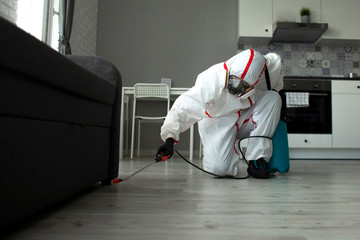
Pest control plays an essential role in protecting both property and public health. Many pests damage wood, insulation, wiring, furniture, food supplies, and landscaping, leading to costly repairs if infestations continue unchecked. Rodents can chew through electrical wiring, termites can weaken structural components, and insects may contaminate food preparation areas. Early pest control helps minimize damage before it becomes more extensive. Preventive action often saves both time and money in the long run.
Beyond property damage, pests can also introduce health concerns. Certain insects and rodents are known to carry bacteria, allergens, or other disease-causing organisms that may affect people and pets. Even pests that do not transmit diseases can trigger allergic reactions, contaminate indoor environments, or create ongoing stress for occupants. Effective pest management helps create cleaner, safer, and more comfortable living and working spaces. A proactive approach supports healthier environments throughout the year.
What Are the Different Types of Pest Control?
Several pest control methods are available, each designed to address different situations and pest species. Chemical pest control uses carefully selected products to eliminate or reduce pest populations and is commonly used for insects, rodents, and other household pests. When applied responsibly and according to product guidelines, these treatments can provide effective control for many types of infestations. Professional application helps ensure treatments are targeted appropriately while minimizing unnecessary exposure. Chemical solutions remain one of the most widely used pest control methods.
Biological pest control offers an alternative approach by using natural predators, beneficial organisms, or biological processes to reduce pest populations. This method is commonly used in agriculture, landscaping, and certain outdoor environments where maintaining ecological balance is important. Mechanical and physical pest control methods also play an important role by using traps, barriers, exclusion techniques, or manual removal to prevent pests from entering or remaining on a property. Different methods may be used individually or combined depending on the specific situation. Selecting the appropriate approach helps improve long-term effectiveness.
What Is Integrated Pest Management?
Integrated Pest Management, often called IPM, is a comprehensive strategy that combines multiple pest control techniques to achieve long-term results. Rather than relying on a single treatment method, IPM focuses on identifying the source of infestations, monitoring pest activity, improving sanitation, reducing favorable conditions, and applying targeted treatments only when necessary. This balanced approach helps reduce pest populations while minimizing unnecessary chemical use. Preventive measures are considered just as important as treatment itself. Long-term management often produces more sustainable results.
One of the strengths of Integrated Pest Management is its emphasis on understanding pest behavior and life cycles. By identifying how pests enter buildings, where they nest, and what attracts them, property owners can address the root causes of recurring infestations instead of repeatedly treating the symptoms. Regular inspections and ongoing maintenance become essential parts of this strategy. Continuous monitoring allows problems to be identified before they become severe. A comprehensive approach improves overall pest prevention.
Which Pest Control Methods Work Best for Common Household Pests?
Different pests require different treatment strategies because each species behaves differently and occupies unique environments. Termites often require specialized treatments that target colonies hidden within soil or wooden structures, while ants may be managed by locating and eliminating nests along with addressing food sources that attract them. Cockroach control frequently combines sanitation improvements, targeted treatments, and exclusion methods to reduce recurring infestations. Tailoring the treatment to the specific pest greatly improves the likelihood of success. Accurate identification is the first step toward effective control.
Rodents typically require a combination of exclusion, trapping, sanitation, and habitat modification to prevent future activity. Sealing entry points, removing food sources, and reducing clutter help make properties less attractive to mice and rats. Mosquitoes are commonly managed by eliminating standing water where they breed while reducing vegetation that provides resting areas. Bed bugs often require detailed inspections and specialized treatment methods because of their ability to hide in furniture, mattresses, and small crevices. Every pest presents unique challenges that require thoughtful management.
How Can Preventive Pest Control Reduce Future Infestations?
Preventive pest control focuses on stopping infestations before they begin rather than waiting until pests become established. Regular inspections help identify potential problems such as moisture issues, structural gaps, damaged screens, or landscaping conditions that may attract unwanted pests. Addressing these concerns early significantly reduces the likelihood of future infestations. Prevention often requires less effort than responding to widespread pest activity. Routine maintenance plays an important role in long-term protection.
Good sanitation also contributes significantly to preventive pest control. Proper food storage, prompt waste removal, regular cleaning, and reducing excess moisture all make properties less appealing to insects and rodents. Maintaining landscaping, trimming vegetation away from buildings, and sealing cracks around foundations, doors, and windows further strengthen the property’s natural defenses. Small preventive measures often produce substantial long-term benefits. Consistent habits support year-round pest management.
What Should Property Owners Consider When Choosing a Pest Control Method?
Before selecting a pest control solution, property owners should first identify the specific pest involved because different species require different treatment approaches. Misidentifying an infestation may lead to ineffective treatments that allow the problem to continue growing. Evaluating the severity of the infestation, the size of the affected area, and any environmental considerations helps determine the most appropriate management strategy. Accurate assessments support better decision-making throughout the treatment process. Choosing the right solution begins with understanding the problem.
Long-term prevention should also be considered alongside immediate pest removal. The most effective pest control plans combine treatment with ongoing monitoring, maintenance, and preventive improvements that reduce the likelihood of future infestations. Property owners should prioritize solutions that address both the current infestation and the underlying conditions that allowed pests to become established. A comprehensive strategy provides greater long-term value than temporary solutions alone. Sustainable pest management supports healthier homes and businesses.
How Can Professional Pest Control Provide Long-Term Benefits?
Professional pest control services offer valuable expertise when identifying pests, evaluating infestations, and developing customized treatment strategies. Experienced technicians understand pest behavior, breeding cycles, and habitat preferences, allowing them to recommend targeted solutions that provide effective results. Their knowledge helps reduce unnecessary treatments while improving overall pest management outcomes. Professional assessments often uncover hidden issues that may otherwise go unnoticed. Expert guidance contributes to more successful long-term control.
Regular inspections and ongoing maintenance also help ensure pest problems remain under control throughout the year. Instead of reacting only after infestations become severe, professional monitoring allows early intervention that minimizes damage and disruption. Combining preventive practices with appropriate treatment methods creates a balanced approach that protects both property and occupant well-being. Long-term pest management supports cleaner, safer, and more comfortable living environments. Consistent care helps maintain lasting protection.
Final Thoughts
Understanding the different types of pest control allows homeowners and property managers to choose solutions that best fit their specific needs. From chemical, biological, and mechanical methods to Integrated Pest Management and preventive maintenance, every approach offers unique advantages depending on the type of pest and the severity of the infestation. Successful pest control involves more than eliminating existing pests. It also focuses on preventing future problems through regular inspections, sanitation, exclusion, and ongoing maintenance. By selecting appropriate pest control methods and addressing the root causes of infestations, property owners can protect their investment while creating healthier, more comfortable spaces for years to come.